Saunas and Bathhouses in Denver
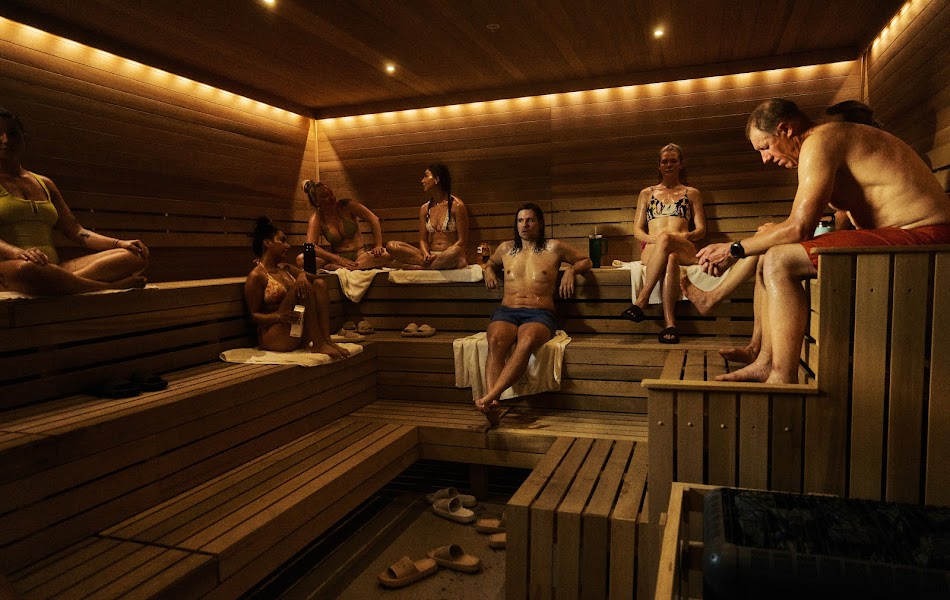
RÖK Spas
Nordic Spa
Nordic-inspired bathhouse with Denver's largest custom sauna, steam room, four cold plunge tubs, and guided saunagus sessions.
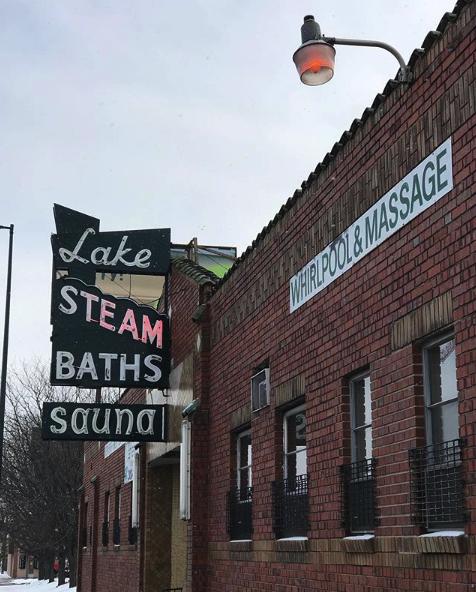
Lake Steam Baths
Russian Banya
Denver's iconic nude Russian bathhouse since 1927, offering steams, soaks, and massages for nearly 100 years.
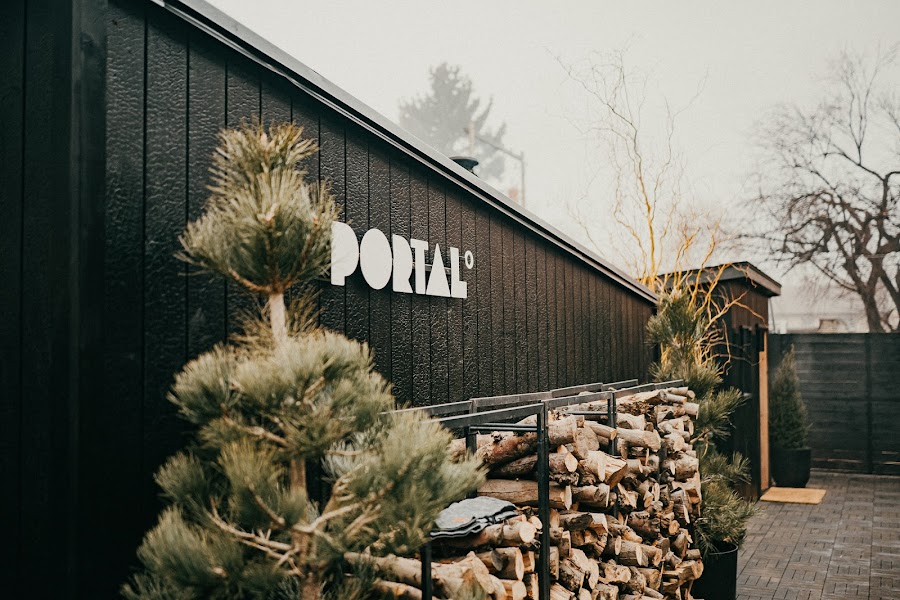
Portal Thermaculture
Modern Bathhouse
Outdoor contrast therapy club with two saunas, three individual cold plunges, and a social clubhouse atmosphere.
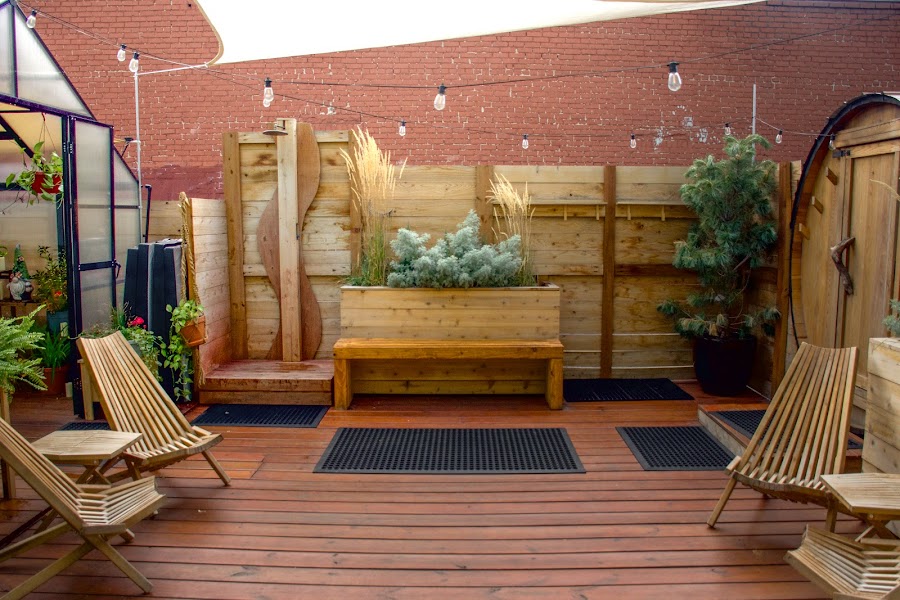
Garden Sauna
Traditional Sauna
Intimate outdoor barrel sauna and cold plunge garden tucked behind a yoga studio in Capitol Hill.
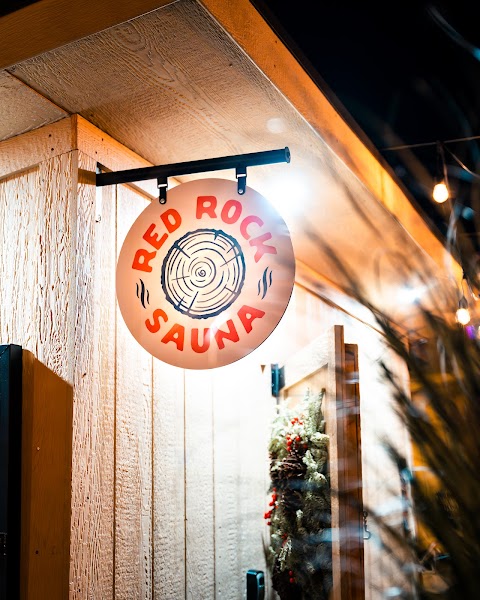
Red Rock Sauna
Traditional Sauna
Community-focused sauna and cold plunge at Hogshead Brewery with a 10-seater sauna and BOGO beer deal.
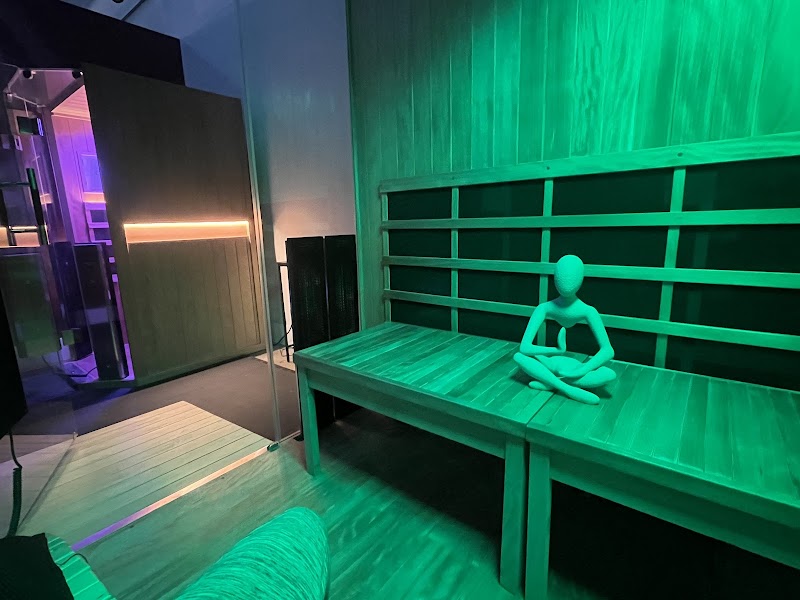
The Cove
Infrared Sauna
Affordable wellness center with five saunas, cold plunges, hot tubs, salt therapy, and an on-site gym.
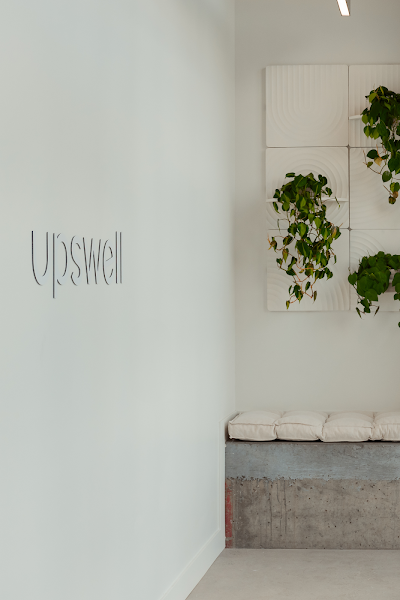
Upswell — RiNo Station
Modern Bathhouse
Wellness club with a massive in-ground cold plunge pool, traditional sauna, infrared light therapy, and Pilates.
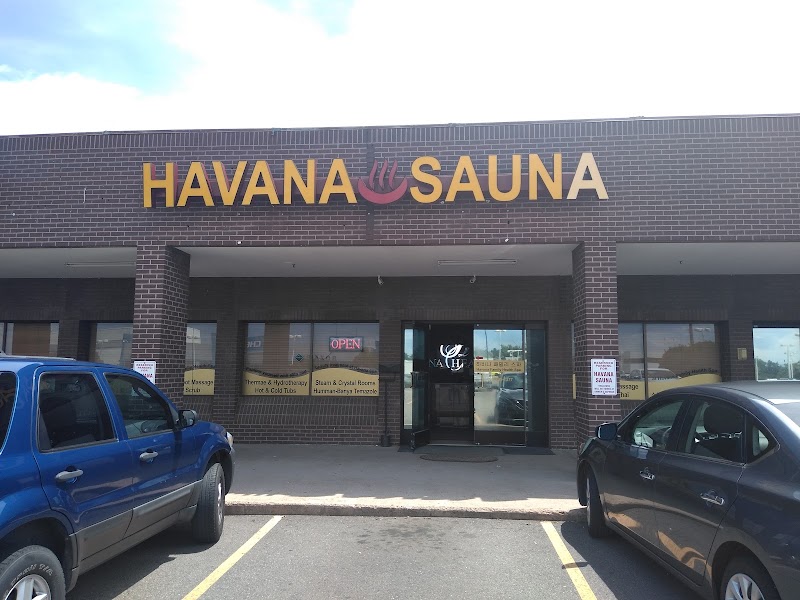
Havana Health Sauna
Korean Spa
Authentic Korean spa with gender-separated dry and steam saunas, jade and crystal rooms, hot and cold tubs, and body scrubs.
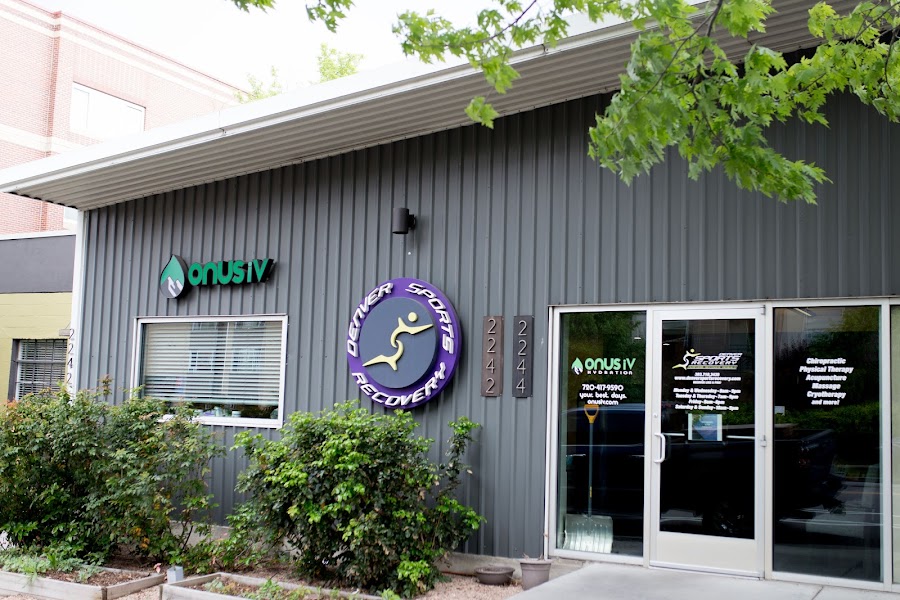
Denver Sports Recovery
Modern Bathhouse
LoHi recovery center with three cold plunge pools, dry sauna, infrared saunas, and sports therapy services.
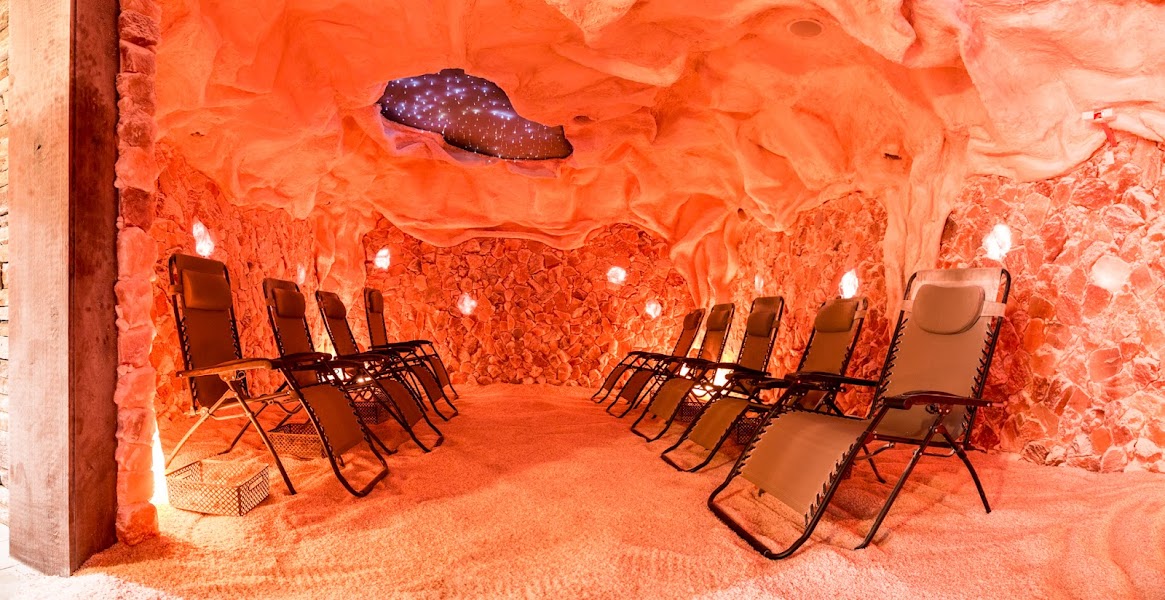
5 Star Salt Caves
Infrared Sauna
Wellness spa specializing in Himalayan salt cave therapy, full-spectrum infrared sauna, and ionic foot baths.
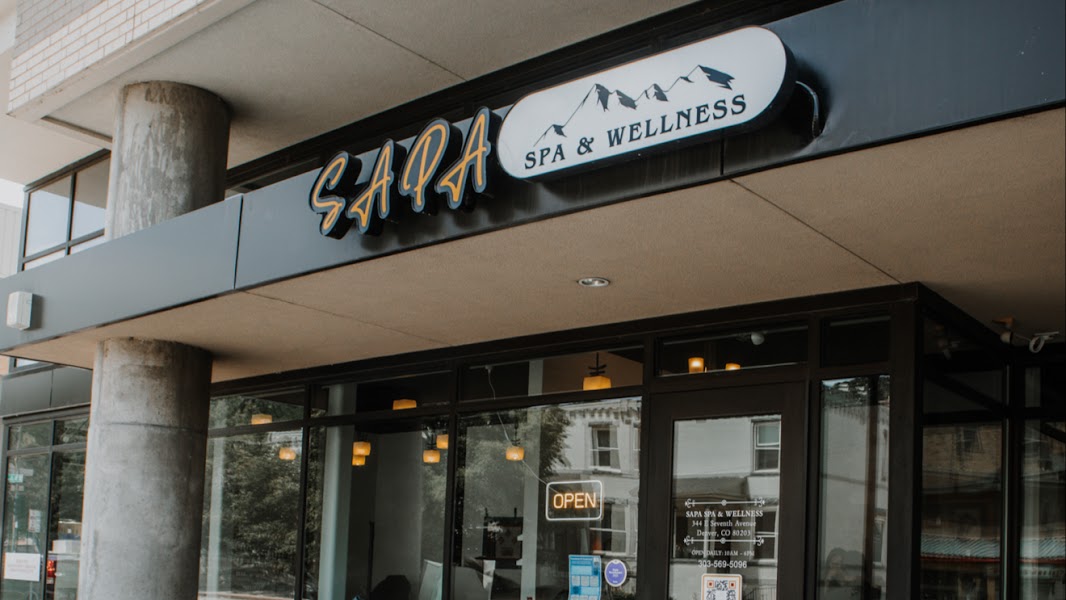
Sapa Spa & Wellness
Infrared Sauna
Contemporary Vietnamese-inspired wellness spa with infrared sauna, salt therapy, herbal baths, and lymphatic massage.
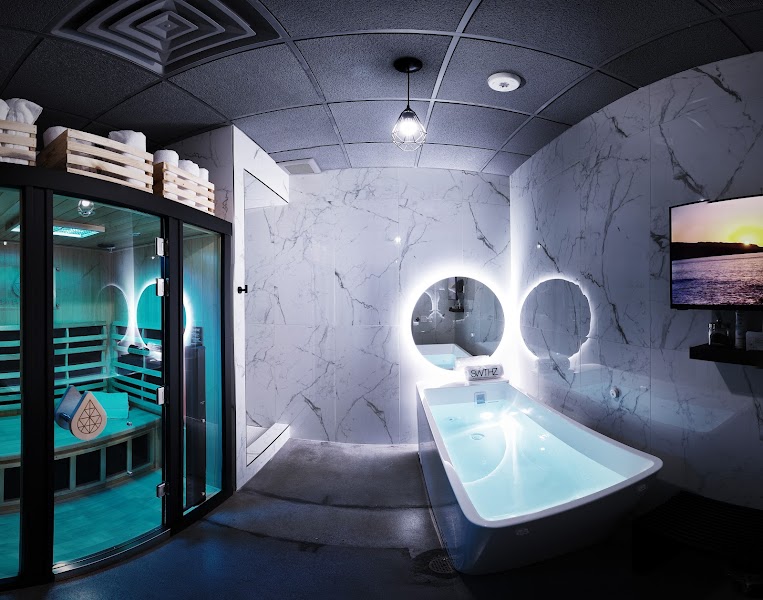
SweatHouz — South Broadway
Infrared Sauna
Private contrast therapy suites with infrared sauna, cold plunge, and vitamin C shower.
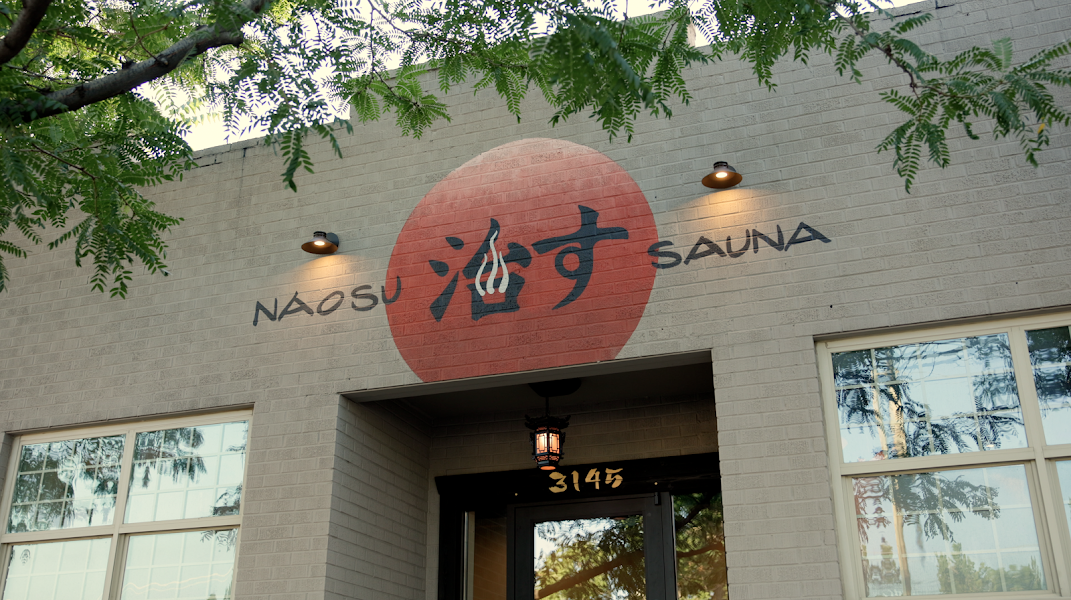
NAOSU SAUNA
Japanese Sauna, Modern Bathhouse
Inspired by our co-founder's childhood experiences with the warmth of Asian communal spaces, NAOSU, meaning “to heal” in Japanese, embodies our mission to create a sanctuary of connection, restoration, and balance.
About the Sauna Scene in Denver
Denver's sauna scene has grown quickly in the last few years, driven by the wellness and outdoor recovery communities that see contrast bathing as a complement to hiking, skiing, and altitude training. The city now has Nordic-style contrast studios, Russian banyas, Korean spas, and infrared studios, with more natural hot springs accessible within a short drive.
The high altitude and dry climate change how sauna feels in Denver — sessions often feel more intense, and hydration matters more than at sea level. Expect day passes from $40 to $90, and a wealth of natural hot springs options within 1–2 hours outside the city.
What to Bring
A Koriboshi Sauna Hat
A sauna hat protects your hair and helps regulate head temperature during longer sessions — a staple in Russian and Finnish sauna traditions. Koriboshi makes a double-layered Japanese cotton sauna hat designed for real bathhouse use.
Shop KoriboshiFrequently Asked Questions
How much does a sauna cost in Denver?
Denver sauna and bathhouse day passes typically run from $40 to $90. Infrared studios and basic Korean spas are cheaper, while modern contrast bathing studios and wellness bathhouses sit at the top of the range.
Are there hot springs near Denver?
Yes — several natural hot springs are within a 1–2 hour drive of Denver, including well-known resort and mineral hot springs scattered throughout the Rocky Mountain foothills. Many locals pair a day trip there with their in-city sauna routine.
Does altitude affect sauna sessions in Denver?
Yes. Denver's elevation (~5,280 ft) and dry climate can make sauna sessions feel more dehydrating than at sea level. Drink extra water before and after, and limit first sessions to shorter durations if you're not acclimated.
Are there Russian banyas in Denver?
Yes — Denver has a growing Russian-speaking community and a few traditional banya venues offering platza oak-leaf treatments, wood-fired steam rooms, and cold plunges.
What should I bring to a sauna in Denver?
Bring a swimsuit, flip-flops, a large water bottle (hydration matters more at altitude), and a sauna hat to regulate head temperature during longer sessions. Most venues provide towels and a locker.